
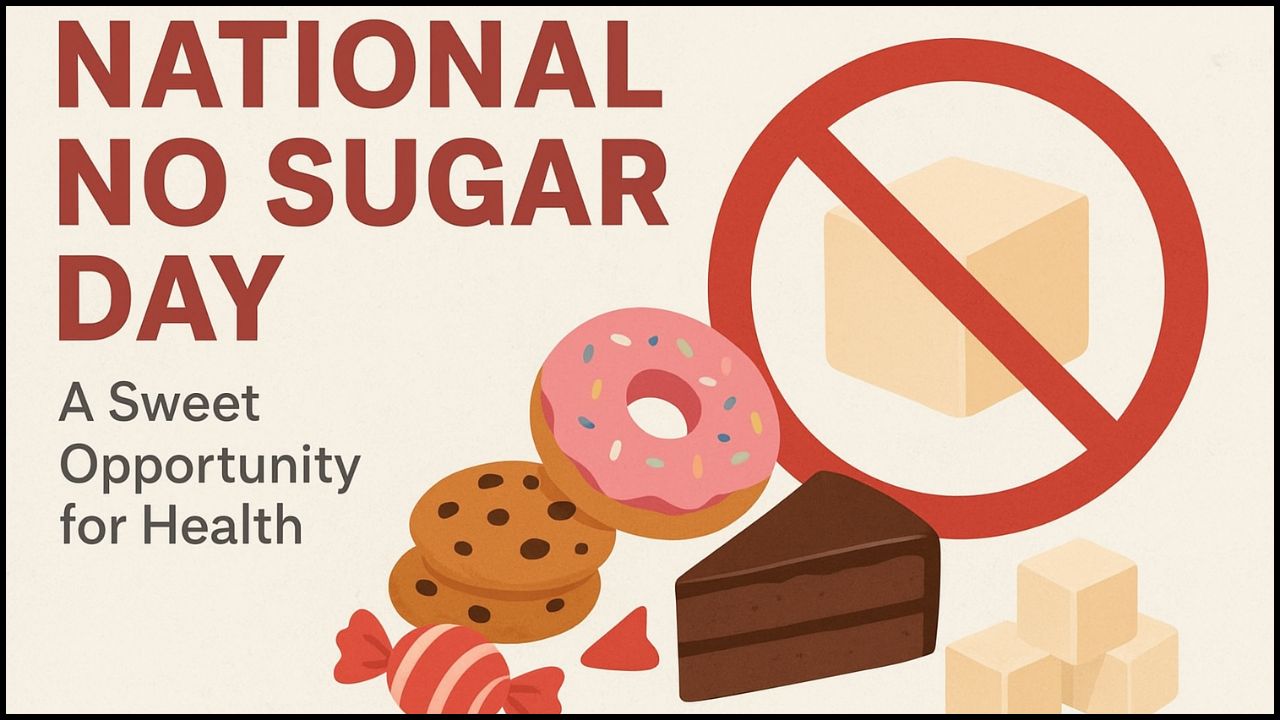
National No Sugar Day, observed annually on October 3rd, serves as a reminder of the detrimental effects of excessive sugar consumption on our health. Initiated by The No Sugar Company in 2022, this day encourages individuals to reflect on their dietary habits and consider reducing their intake of refined sugars. (daysoftheyear.com)
The Sugar Dilemma: Understanding the Impact
Refined sugars, commonly found in processed foods and sugary beverages, contribute to various health issues. These include weight gain, increased risk of type 2 diabetes, heart disease, and dental problems. The World Health Organization recommends that added sugars should constitute less than 10% of daily caloric intake, emphasizing the importance of moderation. Learn more about diabetes prevention tips and how sugar impacts your health. (emro.who.int)
For More health Problem Information click on Smart Bharat Manch Health
The Science Behind Sugar’s Effects
Excessive sugar intake leads to spikes in blood glucose levels, prompting the pancreas to release insulin. Over time, this can result in insulin resistance, a precursor to type 2 diabetes. Additionally, high sugar consumption is linked to inflammation, which can damage blood vessels and increase the risk of cardiovascular diseases. For more insights, read our heart health guide for managing lifestyle risks. (spirehealthcare.com)
Benefits of Reducing Sugar Intake
- Weight Management: Lowering sugar consumption can help in maintaining a healthy weight, as sugary foods are often calorie-dense. Learn more in our healthy eating tips section.
- Improved Skin Health: Reducing sugar intake may lead to clearer skin and a more youthful appearance by preventing glycation, a process that damages collagen. (spirehealthcare.com)
- Enhanced Energy Levels: Stable blood sugar levels contribute to consistent energy throughout the day, reducing fatigue and mood swings.
- Better Heart Health: A low-sugar diet can lower blood pressure and reduce triglyceride levels, decreasing the risk of heart disease. (spirehealthcare.com)
- Dental Health: Limiting sugar intake helps prevent cavities and gum disease by reducing the food source for harmful bacteria in the mouth. Check our dental care tips for more guidance.
How to Observe National No Sugar Day
Participating in National No Sugar Day doesn’t require drastic measures. Consider the following steps: No Sugar
- Start with Small Changes: Replace sugary snacks with fruits or nuts.
- Read Labels: Check food labels for hidden sugars, often listed under names like sucrose, glucose, or high-fructose corn syrup.
- Opt for Natural Sweeteners: Use alternatives like stevia or monk fruit in moderation.
- Stay Hydrated: Drink water or unsweetened beverages instead of sugary drinks.
- Share Your Journey: Use social media to share your experiences and inspire others. (daysoftheyear.com)
Global Observance and Initiatives
National No Sugar Day has gained international recognition, with various organizations and communities participating in the movement. In India, the Indian Dental Association (IDA), in collaboration with the Ministry of Health and Family Welfare (MoHFW) and the Food Safety and Standards Authority of India (FSSAI), observed the first National No Sugar Day to raise awareness about the health risks associated with sugar consumption. (fdiworlddental.org)
Practical Tips for a Sugar-Free Lifestyle
Adopting a sugar-free lifestyle goes beyond just observing National No Sugar Day. Consistency is key to enjoying long-term health benefits. One effective strategy is meal prepping. Planning meals in advance helps avoid impulsive purchases of sugary snacks and processed foods. Include high-protein foods like eggs, lentils, and legumes, as well as fiber-rich vegetables, to keep you full and curb sugar cravings naturally.
Another practical tip is mindful eating. Paying attention to hunger cues and savoring every bite reduces the likelihood of reaching for sugary treats out of boredom or stress. Swapping out sugary beverages for herbal teas, infused water, or black coffee can dramatically reduce daily sugar intake. Over time, taste buds adjust, and naturally sweet foods like fruits become more satisfying.
Cooking at home is another powerful tool. Preparing meals allows you to control the amount of sugar added to food. Simple recipes using natural sweeteners such as dates, stevia, or maple syrup can satisfy a sweet tooth without harming your health. Additionally, experimenting with spices like cinnamon, nutmeg, and vanilla can enhance flavor without adding sugar.
Education and awareness play a huge role in sustaining a low-sugar lifestyle. Reading labels, understanding nutritional facts, and learning about hidden sugars help in making smarter food choices. Engaging family and friends in this journey also creates a supportive environment, making it easier to stick to the plan.
Finally, tracking your sugar intake with a food journal or mobile app can provide insights into consumption patterns and areas for improvement. Small, incremental changes, when combined, lead to significant health improvements, including better energy, mood, and overall wellbeing.
By incorporating these strategies, individuals can transition from occasional sugar-free days to a sustainable sugar-conscious lifestyle that promotes long-term physical and mental health. (spirehealthcare.com)
Conclusion
National No Sugar Day is more than just a day to abstain from sugar; it’s an opportunity to reassess our dietary choices and their long-term impact on health. By making informed decisions and gradually reducing sugar intake, we can pave the way for a healthier future. For more guidance, explore our Healthy Eating Tips and Diabetes Awareness sections.