
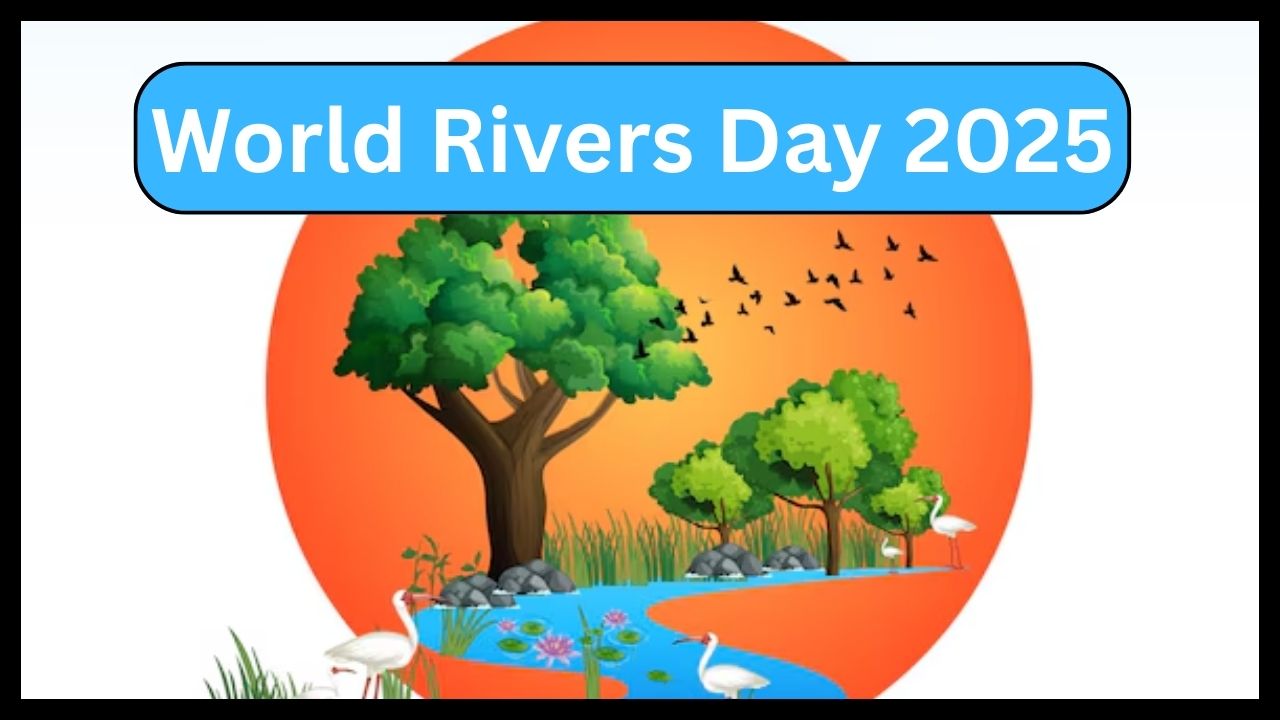
World Rivers Day is celebrated globally to raise awareness about the importance of rivers, their conservation, and sustainable use. Observed on the fourth Sunday of September, 2025 marks this special day on September 28, 2025.
Introduction
Rivers are the lifelines of our planet, sustaining ecosystems, providing freshwater, supporting agriculture, and shaping human civilizations. World Rivers Day is celebrated annually to honor these vital water bodies, raise awareness about their importance, and encourage actions to conserve them. In 2025, the observance falls on September 28, and its theme is “Waterways of Life”, emphasizing the crucial role rivers play in ecological and human well-being.
Learn more about Namami Gange initiatives.
Rivers are not just water channels—they are sources of life, culture, and history. Recognizing their significance, communities, organizations, and governments worldwide celebrate World Rivers Day to promote river health and sustainability.
Learn more about river biodiversity at WWF Rivers.
History and Background
The concept of World Rivers Day originated in British Columbia, Canada, in 1980 as “BC Rivers Day.” Inspired by its success, the initiative expanded globally. In 2005, the United Nations supported this movement under its “Water for Life Decade,” establishing World Rivers Day as an international observance.
Rivers have always shaped human civilizations. Ancient societies developed along riverbanks for agriculture, trade, and spiritual practices. This historic bond highlights why protecting rivers is not just an environmental issue but a cultural and social necessity.
Learn more about water conservation initiatives in India.
Detailed history is available at Wikipedia.
The Theme: “Waterways of Life”
The 2025 theme, “Waterways of Life,” underscores rivers’ life-giving roles. Rivers provide freshwater for drinking, agriculture, and industries. They support biodiversity, act as transportation routes, and are central to local cultures and traditions.
By focusing on this theme, organizations aim to highlight how healthy rivers contribute to sustainable development, food security, and environmental resilience. Protecting rivers ensures that both human communities and natural ecosystems thrive.
Importance of Rivers-World Rivers Day
Freshwater Supply
Rivers are the primary source of freshwater, vital for human survival, agriculture, and industry. Millions rely on river water for drinking, irrigation, and hydroelectric power.
Biodiversity
River ecosystems host diverse species of fish, birds, plants, and other wildlife. Healthy rivers maintain ecological balance and prevent species extinction.
Cultural and Historical Significance
Many rivers are considered sacred and have shaped cultures, religions, and traditions. The Ganga, Yamuna, and Narmada in India are prime examples of rivers with deep cultural and spiritual importance.
Transportation and Trade
Historically, rivers have served as natural trade routes, connecting communities and facilitating commerce. Even today, they remain vital for local transportation in many regions.
Threats to Rivers
Pollution
Industrial waste, agricultural runoff, and plastic pollution degrade river health. Polluted rivers threaten wildlife, human health, and sustainable water availability.
Over-extraction
Excessive water withdrawal for agriculture, industry, or urban use reduces river flow, causing water scarcity and ecosystem stress.
Climate Change
Rising temperatures and changing rainfall patterns affect river flows, causing floods, droughts, and habitat loss.
Encroachment and Dams
Construction on riverbanks and large dams disrupt natural flows, affect aquatic habitats, and displace communities.
River Conservation Strategies
Pollution Control
Prevent dumping of waste and regulate industrial discharge to maintain water quality.
Sustainable Water Use
Promote water-saving practices, rainwater harvesting, and recycling of water to reduce pressure on rivers.
River Clean-Up Campaigns
Organize community initiatives to clean rivers, plant vegetation along banks, and restore habitats.
Education and Awareness
Educate communities about the importance of rivers through workshops, school programs, and awareness campaigns.
Read about school river awareness programs.
For global initiatives, visit UN Water.
Rivers in India-World Rivers Day
India is home to several culturally and ecologically significant rivers, including the Ganga, Yamuna, Brahmaputra, Narmada, and Godavari. These rivers provide drinking water, irrigation, fisheries, and transportation.
The Ganga is worshiped as a goddess and is central to Indian spiritual and cultural life. Similarly, the Narmada River is vital for agriculture and hydroelectric projects in central India. Protecting these rivers is crucial for maintaining India’s environmental and cultural heritage.
River Protection Initiatives in India
Namami Gange Program
Launched by the Government of India, this program focuses on cleaning and rejuvenating the Ganga River, controlling pollution, and ensuring sustainable river management.
State-Level Revitalization Projects
Several Indian states have initiated programs to restore rivers, manage water quality, and protect riverbanks.
Community-Led Initiatives
Local communities often organize clean-up drives, educational campaigns, and tree planting along riverbanks to promote conservation.
Learn more about Namami Gange initiatives.
Official details at Namami Gange.
How to Celebrate World Rivers Day
- Participate in local river clean-ups.
- Conduct educational sessions on river conservation in schools.
- Plant trees along riverbanks to prevent erosion.
- Reduce personal water wastage and promote sustainable practices.
- Share information about river protection on social media using hashtags like #WorldRiversDay #RiverConservation #WaterwaysOfLife.
Conclusion
World Rivers Day serves as a reminder of the essential role rivers play in sustaining life on Earth. Conserving rivers is not only an environmental responsibility but also a social and cultural necessity. Through awareness, community action, and sustainable practices, we can ensure that future generations inherit clean, healthy, and thriving rivers.
Rivers are more than water—they are history, culture, and life itself. Protecting them today safeguards our planet’s future.